
Categories
Blog

WordPress And Security: What Independent Schools Need To Know After The OBR Leak

Home / Blog / WordPress And Security...

WordPress In Schools, It Is Still the Most Secure and Future-Proof Choice

15%

growth identified in previously untapped catchment areas

Recent headlines around the OBR budget leak suggested that WordPress was to blame. Some vendors even used the story to imply that schools should abandon open platforms in favour of proprietary CMS systems.

The truth is far more straightforward. WordPress did not cause the leak. Incorrect configuration did. Files were placed in a publicly accessible directory and bypassed normal publishing safeguards. That mistake could have happened on almost any web platform.

For schools evaluating long-term website strategy, this distinction matters. WordPress remains one of the most secure, flexible and sustainable systems available to the education sector. What happened at the OBR was not a platform failure but a workflow failure. Schools deserve clarity, not fear.

What Actually Went Wrong

The OBR used a plugin without configuring its publishing settings and uploaded sensitive files into a location that was never access controlled. WordPress already includes:

  • private publishing
  • password-protected documents
  • role-based permissions
  • scheduled release
  • staging, preview and moderation

None of these were used. Calling this a WordPress failure is like leaving exam papers on a table in a corridor and blaming the table.

For independent schools, the takeaway is clear. Security depends on process, roles and governance. WordPress supports all of these when implemented properly.

Why Schools Are Being Pushed Toward Proprietary Platforms

Education website providers increasingly market their own custom CMS systems. They promote simplicity and security but rarely highlight the long-term drawbacks. Proprietary systems often mean

  • you cannot move your website without rebuilding it
  • the CMS belongs to the vendor, not the school
  • feature development is limited by one team’s roadmap
  • pricing changes are unavoidable
  • support depends entirely on the financial health of one company


Schools are encouraged to see these systems as safer, yet they concentrate all risk in a single place. WordPress avoids that dependency. It is open, portable and supported by tens of thousands of developers worldwide.

Why WordPress Is Still the Best Strategic Platform for Independent Schools

WordPress remains unrivalled for long-term school website planning. It is continually improved, globally audited, highly extensible and future ready. Independent schools benefit from:

Portability

A WordPress site can move between suppliers without redevelopment. Themes can be refreshed. Hosting can be updated. Content remains yours.

Flexibility

Adapting to new admissions processes, curriculum changes or campaign strategy is simple. Proprietary systems often require additional development or may not support new functionality at all.

Cost efficiency

Schools are not tied to a single provider or locked into multi-year licences.

Integrations

WordPress already connects with CRM platforms, calendar systems, payment portals, event systems, safeguarding workflows and digital prospectus tools.

This adaptability is essential for schools whose digital requirements shift year after year.

When Proprietary Systems Become a Challenge

Schools often only discover the limits of closed platforms when something important changes. Common issues include:

  • fee increases with no alternative provider
  • redesigns that require full rebuilds
  • slow support or reduced development capacity
  • missing integrations with admissions systems or MIS platforms
  • limited control over hosting or performance


WordPress avoids all of these constraints. Schools keep ownership, control and future-proofing.

Security Depends on Implementation

Schools regularly handle sensitive digital content, including admissions forms, exam information, safeguarding documentation and leadership communications. WordPress supports secure processes for all of these. Where issues arise, they typically relate to:

  • incorrect permissions
  • documents uploaded to the wrong place
  • bypassing approval or staging
  • outdated plugins
  • suppliers without WordPress expertise

This is why choosing the right implementation partner is essential. Governance and configuration protect your website, not restrictive technology.

The Plugin Question and Supplier Transitions

One criticism raised during the OBR incident concerned plugins. In reality, plugins are only insecure when unmanaged. A school website built by a skilled team uses reputable, well supported plugins with ongoing patching. WordPress has standardised update notifications, version control and rollback options that reduce risk significantly.

Changing suppliers is also simpler with WordPress. Schools can retain control of their website, codebase and hosting. Proprietary systems do not allow this freedom, which is why supplier transitions often require rebuilding the entire site.

Future-Proofing Your School Website

School websites now serve multiple functions including marketing, admissions, compliance, communication and reporting. These needs will continue to expand. WordPress supports this evolution without forcing schools into expensive replacements every three to five years.

Because it is modular, integrations for email marketing, event bookings, data capture, analytics, PPC tracking and SEO improvements can be added without affecting the core platform.

Final Thought

The OBR leak was not caused by WordPress. It was caused by the way the system was used. WordPress remains one of the most secure, audited and capable CMS platforms available. Independent schools should not feel pressured into systems that remove ownership or flexibility. The safest website is not the one with the tightest restrictions. It is the one that is implemented correctly, maintained well and designed to evolve with the needs of the school.

Working with Lykke has improved how families find and engage with us. The uplift in enquiries and event attendance shows how much of a difference the right digital strategy can make

James Breeze, Director of Marketing and Admissions at QEH

By collaborating with Lykke on our digital approach, we have further optimised how families find and engage with us. The resultant increase in enquiries and event attendance demonstrates the efficacy of this partnership within our wider marketing plan.

James Leggett, Managing Director at MTM Consulting

  • 10% growth potential in the school’s market share, focused on 3 main areas
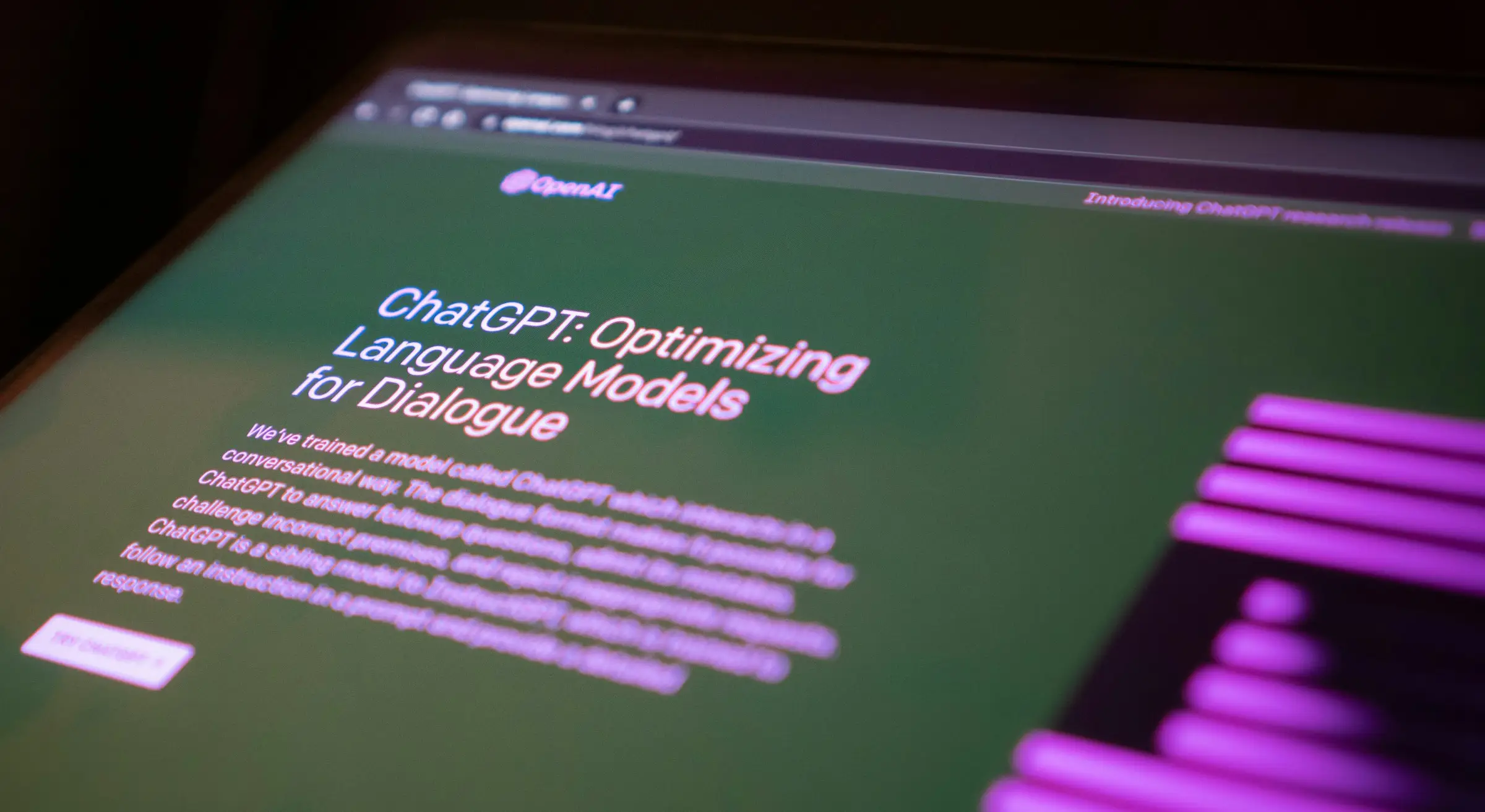
    How Lykke Education Uses AI in School Copywriting Without Losing Human Expertise

    How Lykke Education Uses AI in School Copywriting Without Losing Human Expertise

    READ CASE SUDY ARTICLE
  • 10% growth potential in the school’s market share, focused on 3 main areas

    How to Build an Independent School Website That Engages and Converts

    How to Build an Independent School Website That Engages and Converts

    READ CASE SUDY ARTICLE
  • 10% growth potential in the school’s market share, focused on 3 main areas
    Why Paid Search is the Secret to Successful Open Day Sign-Ups for Independent Schools

    Why Paid Search is the Secret to Successful Open Day Sign-Ups for Independent Schools

    READ CASE SUDY ARTICLE

Stay ahead with the latest in education

sign up for our newsletter to get industry news, insights, and case studies delivered to your inbox.

Back to Homepage

Categories
Blog

Why Paid Search is the Secret to Successful Open Day Sign-Ups for Independent Schools

Home / Blog / Why Paid Search is...

Why Paid Search is the Secret to Successful Open Day Sign-Ups for Independent Schools

15%

growth identified in previously untapped catchment areas

What This Article Covers

This article explains why PPC has become one of the most effective tools for independent schools wanting to boost Open Day sign-ups. It covers audience targeting, geo-targeting, campaign optimisation, landing pages, retargeting, and why PPC works best when guided by education-specific expertise rather than generic marketing approaches.

Why You Can Trust Us

Lykke Education manages PPC and admissions campaigns for independent schools across the UK, including highly competitive markets. Our work increases Open Day attendance, improves enquiry quality, and reduces cost per lead. Every campaign is shaped by sector insight, local demand patterns, and real-world experience of what drives families to book a visit.

PPC for Independent Schools: Why Open Days Need Paid Search More Than Ever

Open Days are the single most influential conversion point in a family’s admissions journey, yet many independent schools now face a far more competitive landscape than even a few years ago. Parents are researching earlier, comparing more widely, and expecting a seamless digital experience before they ever step foot on campus.

Recent demographic shifts mean demand is less predictable than it used to be. Insights from FFT Education Datalab show that patterns of movement into and out of the independent sector are no longer uniform across regions, which means schools cannot rely solely on historic word-of-mouth or passive interest to fill their events.

This is where PPC becomes essential. Instead of waiting for parents to find your website organically, paid search lets you appear at the exact moment families are searching for terms like “independent schools near me”, “private school open day”, or “best prep schools in [region]”. It closes the gap between interest and action, ensuring your school is visible when decision-making begins.

With the right targeting and message, PPC delivers not just more sign-ups but the right sign-ups, improving both attendance and conversion into admissions.

Why PPC Works So Well for Open Day Sign-Ups

The strongest benefit of PPC is timing. Parents searching for independent school options are actively evaluating schools, exploring websites, and comparing values. PPC places your Open Day invitation directly in front of them just as they begin that process.

Unlike SEO, which builds long-term visibility, PPC offers immediate reach. It works particularly well around key admissions cycles: September interest peaks, January decision windows, and spring term Sixth Form searches.

PPC also provides total control over messaging. Schools can tailor ads specifically for early years, prep, senior, Sixth Form, or boarding audiences, ensuring that parents see information aligned with their needs.

Because every click is measurable, schools can see exactly which keywords, locations, and times of day drive the most sign-ups. This makes budgeting easier and more predictable, especially when admissions teams need reliable forecasting ahead of key events.

For schools wanting to ensure high attendance from genuinely interested families, PPC remains the most precise and efficient tool in the digital admissions toolkit.

Targeting the Right Parents at the Right Time

Independent schools attract a far more specific audience than the average PPC campaign, which is why generic targeting never works well. Parents searching for private education tend to follow predictable patterns: early-years parents explore options locally, senior school parents research more widely, and Sixth Form parents often compare academic outcomes and pathways.

PPC allows you to meet each group with tailored messaging. Campaigns can be segmented by age group, distance, household characteristics, and search behaviour, ensuring that only families who are genuinely in-market see your ads. This precision not only reduces wasted spend but increases the likelihood that clicks will convert into sign-ups.

Parents researching independent schooling also behave differently online during exam-result periods, fee announcements, and press coverage. BBC reporting on AI and education highlights how broader education trends influence family decision-making and search habits. PPC enables schools to respond in real time, adjusting spend and messaging as interest rises or falls.

This level of agility is something organic search alone cannot deliver, making PPC indispensable for timely, event-led admissions activity.

Geo-Targeting That Reduces Wasted Spend

Independent schools rarely recruit evenly across all local postcodes. High-intent areas often cluster around neighbourhoods with the right demographic fit, commutable catchments, or feeder primaries. PPC enables schools to target these areas with exact precision.

Geo-targeting can be set at:

  • specific postcodes
  • radius targeting around the school
  • high-value commuter routes
  • local authority or ward-level segments

This approach ensures your ads appear only to families close enough or interested enough to realistically attend an Open Day.

For boarding schools or schools with region-wide appeal, geo-targeting can be expanded to cover national or international audiences, with separate messaging for boarding enquiries vs local day applicants.

The result is a budget focused on the most viable families, not broad audiences unlikely to convert.

Ad Copy That Speaks to What Parents Actually Care About

Strong PPC performance depends on more than good targeting. The wording of your ads needs to speak directly to what matters to families comparing independent schools. This includes:

  • academic results and outcomes
  • pastoral care and wellbeing
  • specialist pathways (STEM, sport, arts, boarding)
  • campus facilities
  • values, ethos, and community
  • class sizes and teaching approach

For Open Day campaigns, clarity always wins. Parents want to know:

  • what they will see
  • who they will meet
  • whether places are limited
  • how easy it is to book

Calls to action should reinforce urgency with phrases such as “Book your Open Day place” or “Register to meet our teachers”.

High-performing campaigns also include structured snippets, sitelinks, call extensions, and admission-year variations to increase visibility and increase click-through rates.

Landing Pages That Convert Interest Into Registrations

A strong PPC campaign can get families to click your ad, but a poorly designed landing page will stop them committing. Schools often lose potential attendees at this stage because their landing pages are too general, contain too much information, or require parents to dig for details.

A high-performing Open Day landing page should:

  • focus on a single action: “Register now”
  • summarise essential event details above the fold
  • include a short, accessible form
  • reassure with testimonials or quotes
  • show real photography rather than stock images
  • highlight what makes the school worth visiting

The most successful pages feel welcoming and family-oriented, not corporate. They reassure parents that visiting will be worth their time and that the school will be easy to navigate on the day.

Schools that integrate automated confirmation emails, reminder flows, and calendar invites see significantly higher attendance rates, reducing no-shows and improving the admissions pipeline.

Optimising Campaigns in Real Time

One of the greatest strengths of PPC for independent schools is how quickly campaigns can be refined. Unlike print or outdoor advertising, you’re not locked into a single message. You can see instantly which ads resonate, which audiences convert, and which areas need adjusting.

Key metrics tracked during Open Day campaigns include:

  • click-through rate
  • conversion rate
  • cost per sign-up
  • impression share
  • postcode-level engagement

Schools often see significant gains by shifting budget towards high-performing audiences or refining weaker ad copy. For example, if ads mentioning Sixth Form facilities outperform those about academic results, the messaging can be updated immediately.

This live optimisation ensures every pound is working towards the schools’ recruitment goals. It also helps admissions teams understand demand patterns, including which year groups or entry points show strongest interest.

Retargeting Families Who Need More Time

Many parents research schools over several weeks or months before committing to a visit. Retargeting ensures your school remains visible to those who showed interest but did not complete an action.

Retargeting campaigns can be tailored to:

  • website visitors who viewed the admissions page
  • parents who started but didn’t complete an Open Day form
  • families who visited multiple pages over multiple days
  • people who interacted with your social content or prospectus

These ads typically deliver the highest conversion rates of any PPC segment because the audience is already warm. Messaging might highlight limited places, showcase real parent testimonials, or offer a reminder of the event date.

This gentle persistence mimics the multi-touch admissions journey parents naturally take, helping nudge families from interest to registration.

Using Social Proof to Build Confidence

Parents deciding between several independent schools seek reassurance. They want evidence that your school is a safe, effective, happy environment where their child will thrive.

Social proof can dramatically improve PPC performance when used within ads and landing pages. High-impact examples include:

  • quotes from current parents
  • quick snapshots of exam success
  • alumni stories
  • satisfaction scores
  • links between school values and daily practice

Data from FFT Education Datalab notes shifting demographics and competition within the independent sector, where parents are becoming more discerning and financially cautious. Social proof helps reduce hesitation and positions your Open Day as the logical next step.

When combined with strong creative featuring real photography, this builds trust quickly and effectively.

Why PPC Outperforms Organic Search for Open Days

Search engine optimisation remains essential for long-term visibility, but it cannot match the speed and precision of PPC for event-led campaigns. Open Days are time-sensitive. You need traffic quickly and predictably.

PPC outperforms SEO for Open Day sign-ups because it:

  • reaches families exactly when they’re searching
  • allows you to control the message and timing
  • dominates the top of search results pages
  • provides instant visibility during competitive windows
  • supports multiple entry points (Year 7, Sixth Form, Prep, EYFS)
  • aligns budget directly with measurable outcomes

In many cases, PPC becomes a critical conversion tool that complements SEO. Organic search brings the long-term audience. PPC brings the families who are ready to book a visit today.

This combined approach gives schools the best possible balance between sustained growth and rapid admissions activity.

Integrating PPC with Your Admissions Funnel

Strong PPC campaigns don’t sit in isolation. They work best when aligned with your admissions strategy, term dates, and enquiry patterns. When schools integrate paid search with wider marketing activity, the impact compounds across the entire funnel.

Effective integration includes:

  • syncing campaigns with admissions cycles
  • aligning messaging with prospectus downloads and school tours
  • ensuring landing pages match your values and differentiators
  • coordinating with email nurturing and follow-up workflows
  • tailoring campaigns by entry point (Reception, Year 3, Year 7, Sixth Form)

When PPC data feeds back into admissions and marketing teams, schools gain valuable insights on what families care about most. For example, if keywords relating to wellbeing outperform academic search terms, this can shape Open Day talking points, social content, or email follow-ups.

This creates a cohesive journey where digital discovery and in-person experience reinforce each other.

Reporting That Helps Schools Make Better Decisions

Independent schools need clarity. Admissions teams, Heads, and governing bodies want to understand what’s working and why.

PPC offers detailed reporting that helps schools make more confident choices, including:

  • open day registrations by postcode
  • cost per enquiry and cost per attendee
  • the strongest-performing keywords
  • device-level trends (often higher mobile conversions)
  • demographic insights that support pupil recruitment strategy

Our reporting format is built around the needs of education teams. Clear dashboards help you see not just performance but strategic implications, such as:

  • which areas are producing high-quality enquiries
  • which campaigns drive the most Sixth Form interest
  • whether boarding audiences respond differently
  • how early-year groups behave compared with senior applicants

This data helps leadership teams plan more effectively for the next cycle.

What This Looks Like in Practice

For many independent schools, PPC becomes one of the most reliable tools for delivering predictable admissions outcomes. Campaigns often show:
strong early interest within the first 48 hours
accelerating engagement in the final two weeks before an event
reduced cost per registration when retargeting is enabled
higher conversion rates from families who saw multiple ad variations

Open Day campaigns are especially impactful when combined with:

  • optimised landing pages
  • strong photography
  • crisp messaging on values and life at school
  • clear calls to action
  • automated event reminders

The result is a smoother pipeline, more confident projections, and broader reach into postcode areas that may not have engaged previously.

This steady, predictable stream of sign-ups provides admissions teams with confidence and helps senior leaders plan staffing, timetabling, and marketing spend more effectively.

Why You Can Trust Lykke Education

With deep experience supporting independent schools and a specialist understanding of admissions behaviour, our PPC strategies are built around what actually works in the sector. We combine technical expertise, precise keyword targeting, and education-specific insight to deliver measurable results.

Our campaigns prioritise accuracy, transparency, and strong collaboration with school teams. Every ad, audience segment, and landing page is optimised to drive high-quality enquiries and real open day attendance, not just clicks.

Frequently Asked Questions

How much should an independent school spend on PPC?
Budgets vary, but many independent schools see meaningful results with £500 to £2,000 per campaign depending on location, competition, and entry points being targeted. The key is efficient targeting and constant optimisation rather than simply increasing spend.

Which platforms work best for school Open Day campaigns?
Google Ads is usually the highest-performing channel for admissions-focused campaigns because it captures families actively searching for independent schools. Meta and Instagram can support awareness, but search-led platforms convert more event registrations.

How quickly does PPC work for schools?
PPC delivers immediate visibility. Most schools see sign-ups within the first 24 to 48 hours of a campaign, with the strongest growth in the final two weeks before an Open Day. Retargeting improves performance further.

Can PPC help with Sixth Form recruitment?
Yes. Sixth Form audiences often search independently, using terms such as “Sixth Form near me” or “A Level results [city].” Targeted campaigns can capture high-intent families and students exploring post-16 options.

Does PPC work for boarding schools?
It can be extremely effective. Location-based targeting can be expanded nationally or internationally to reach the families most likely to consider boarding. Messaging, visuals, and landing pages must be adapted accordingly.

How do we know if the PPC campaign is working?
You’ll receive clear reporting that shows enquiries, registrations, cost per sign-up, strongest keywords, postcode heatmaps, and device-level performance. Most schools can track the full journey from advert to attendance.

Will PPC compete with our SEO?
No – PPC complements SEO. SEO builds long-term visibility, while PPC drives immediate demand. Running both together increases your chances of appearing for the keywords families search before an Open Day.

Do independent schools need an agency to run PPC?
PPC platforms look simple, but optimising them correctly is highly technical. Independent schools benefit from expert support because precision targeting, keyword refinement, and bidding strategies determine cost-effectiveness and conversion quality.

Working with Lykke has improved how families find and engage with us. The uplift in enquiries and event attendance shows how much of a difference the right digital strategy can make

James Breeze, Director of Marketing and Admissions at QEH

By collaborating with Lykke on our digital approach, we have further optimised how families find and engage with us. The resultant increase in enquiries and event attendance demonstrates the efficacy of this partnership within our wider marketing plan.

James Leggett, Managing Director at MTM Consulting

  • 10% growth potential in the school’s market share, focused on 3 main areas
    How Lykke Education Uses AI in School Copywriting Without Losing Human Expertise

    How Lykke Education Uses AI in School Copywriting Without Losing Human Expertise

    READ CASE SUDY ARTICLE
  • 10% growth potential in the school’s market share, focused on 3 main areas
    How to Build an Independent School Website That Engages and Converts

    How to Build an Independent School Website That Engages and Converts

    READ CASE SUDY ARTICLE
  • 10% growth potential in the school’s market share, focused on 3 main areas
    Why Paid Search is the Secret to Successful Open Day Sign-Ups for Independent Schools

    Why Paid Search is the Secret to Successful Open Day Sign-Ups for Independent Schools

    READ CASE SUDY ARTICLE

Stay ahead with the latest in education

sign up for our newsletter to get industry news, insights, and case studies delivered to your inbox.

Back to Homepage

Categories
Blog

How to Build an Independent School Website That Engages and Converts

Home / Blog / Independent School Website...

How to Build an Independent School Website That Engages and Converts

15%

growth identified in previously untapped catchment areas

A school website has to do more than look impressive. It needs to guide prospective families through an admissions journey with clarity, while also serving the busy day-to-day needs of parents, pupils, and staff. When approached well, independent school website design blends usability, storytelling, and technical performance to create a single, reliable hub for communication, marketing, and community engagement. It becomes a long-term asset that supports enrolment, enhances reputation, and strengthens the parent experience.

What this article covers

This article explains how to build an effective school website that serves both prospective families and your existing community. It covers UX, mobile performance, accessibility, SEO, content structure, parent communication, photography and user journeys. You will learn what makes a school website work, and why design decisions directly influence admissions and engagement.

Why you can trust us

Lykke Education has worked with independent schools for years, creating websites, content and digital strategies that improve visibility, parent experience and enrolment outcomes. Our team blends sector insight with technical expertise, meaning every recommendation reflects real school behaviour, real parent expectations and proven digital performance across the education sector.

Why a Modern Independent School Website Matters

A great website is often the first meaningful point of contact between a family and your school. It shapes perceptions long before a visit takes place, helping parents understand your values, your environment, and the opportunities their child will have with you. Strong independent school website design is also practical: it improves navigation, makes important information easy to find, and creates a smooth journey across mobile, tablet, and desktop.

For many families researching their options, school website design plays a significant role in how they compare their shortlist. A well-built, modern site not only supports admissions but gives existing families a reliable place to access updates, calendars, news, and policies. When the whole experience feels clear, consistent, and welcoming, it reinforces trust and gives your school an advantage in a highly competitive landscape.

Start With a Clear Purpose and Audience

Every effective school website begins with a deep understanding of who will use it, and why. Independent schools naturally have two primary audiences: prospective families exploring whether you are the right fit, and current families who depend on the site for everyday communication.

Prospective parents need clarity, reassurance, and a clear sense of your character. They want to understand boarding arrangements, co-curricular opportunities, pastoral care, subject choices, and life beyond the classroom. Existing parents need quick access to term dates, letters, forms, portals, calendars, and updates. Designing for both audiences means structuring content around their goals, reducing friction, and making every journey feel simple and intuitive from the first click.

Focus on UX First: Make Every Journey Simple

A well-designed school website removes friction. Parents should never have to hunt for essential information, and prospective families should be able to understand your value within seconds. Strong UX brings order to the experience through clear navigation, intuitive page layouts, fast load times, and a visual hierarchy that guides the eye naturally. When your website feels effortless to use, families stay longer, explore more deeply, and form a stronger connection with your school. Great UX is not about decoration. It is about helping people complete tasks quickly, comfortably, and with confidence.

Ensure Accessibility for Every Family

Accessibility allows all parents, pupils, and staff to engage with your content, regardless of device, ability, or context. For independent schools with diverse communities, prioritising accessibility is essential. This means readable text, accurate alt tagging, logical structure, strong contrast, and support for assistive technologies. Accessible school website design also improves comprehension, reduces support requests, and builds trust with families who depend on clarity. When accessibility is built in from the beginning, your site becomes a genuinely inclusive communications tool that serves the whole school community.

Use Visual Hierarchy to Tell Your Story Clearly

Independent school websites often have rich content: boarding life, academic pathways, co-curricular activities, staff expertise, and campus facilities. Without a clear visual hierarchy, this information can overwhelm families. Strong layout choices bring order to complexity. Headlines guide attention. Spacing creates breathing room. Key messages stand out naturally without competing for focus. A thoughtful hierarchy helps prospective families understand what matters most, while returning parents can scan pages quickly to find what they need. With the right structure, your school’s story feels engaging, not cluttered.

Create a Clear Pathway for Prospective Families

A strong independent school website design should guide prospective parents from curiosity to confidence. This means shaping a journey that answers real questions: What is life like here? What makes this school different? How do I arrange a visit? By mapping user intent to clear calls-to-action, well-structured landing pages, and consistent information flow, your site becomes an admissions tool, not just a brochure. Prioritising clarity helps families feel informed, reassured, and ready to enquire or book a visit.

Serve Your Existing Community with Better Communication

Your website must work for more than admissions. It is the information hub that current parents rely on daily. When essential content is organised logically and displayed in formats that support everyday use, families feel more connected and less frustrated. Calendar integrations, clear policies, timely announcements, and structured news updates help parents interact with school life effortlessly. This reduces administration pressure and improves satisfaction across the community. A well-planned site supports every family, not just those looking to join.

Design for Mobile First to Match Real Parent Behaviour

Most browsing by parents takes place on mobiles, often quickly and between other responsibilities. This makes mobile-first design essential. Navigation needs to be intuitive on smaller screens, content must be readable without zooming, and interactions should be effortless. Mobile-first thinking improves engagement, reduces drop-offs, and ensures that prospective families can explore your independent school website design anywhere, any time. When your website works beautifully on mobile, every audience benefits.

Build Trust Through Structure, Storytelling, and Visual Identity

Independent school website design is as much about emotional reassurance as it is about information. Families want to see who you are, not just what you offer. Strong photography, clear messaging, and a confident brand identity help parents understand your values within seconds. A well-structured website uses hierarchy, layout, and visuals to communicate professionalism and warmth. When your school’s story is presented with clarity and authenticity, families feel more connected and more confident in taking the next step.


Ensure Accessibility, Clarity, and Compliance from Day One

A modern school website must be inclusive, accessible, and easy for every parent to use. Following accessibility best practices (contrast, alt text, heading hierarchy, readable typography) supports users with diverse needs and ensures your site meets expectations for independent schools. Clear navigation, predictable layouts, and structured content reduce cognitive load and remove friction. An accessible website is not just a compliance exercise; it actively improves engagement, satisfaction, and trust across your community.

Blend UX and SEO for Higher Visibility and Stronger Conversions

The best independent school websites balance design and discoverability. UX helps users flow through your site effortlessly, while SEO ensures families searching for schools can find you in the first place. Long-term visibility comes from optimised page structures, purposeful content, internal linking, technical performance, and clear metadata. When UX and SEO work together, families spend longer on the site, view more pages, and convert at higher rates. This combination turns your website into a long-term driver of enquiries and engagement.

Create a Seamless Experience for Existing and Prospective Families

A successful independent school website must serve two audiences equally well. Existing families need fast access to term dates, news, policies, and communications. Prospective families need reassurance, clear pathways, and compelling reasons to enquire or book a visit. The best sites achieve both by blending intuitive navigation with well-planned content architecture. When each audience finds what they need easily, your website becomes a genuine asset for engagement, retention, and admissions.

Design for Mobile First to Meet Modern Parent Expectations

Most parents browse school websites on mobile, often during busy moments in their day. That means independent school website design must prioritise mobile layouts, fast load times, scannable content, and tap-friendly navigation. A mobile-first approach ensures key actions – enquire, book a visit, download a prospectus – are effortless. When the mobile experience feels polished and reliable, it strengthens confidence in your school before a family ever steps through the door.

Use Authentic Imagery and Video to Bring School Life to the Forefront

Families want to see real classrooms, real students, and real moments – not stock photography. Showcasing everyday school life through honest, well-composed photography and short video clips helps parents picture their child in your environment. Independent school website design thrives when visuals feel warm, genuine, and rooted in your school’s identity. From hero banners to galleries and tour pages, authentic imagery enhances emotional connection and increases engagement across your site.

Build a Clear, Intuitive Navigation Structure That Reduces Parent Friction

Navigation is one of the biggest influencers of website satisfaction. Parents want quick routes to essentials like admissions, calendar, fees, and news. Prospective families need clear pathways into your story – from ethos and values to facilities, pastoral care, and results. A well-planned navigation system reduces clicks, shortens decision time, and helps every user feel confident they are in the right place. For independent schools especially, clarity and structure are persuasion tools.

Prioritise Performance, Accessibility, and Search Visibility

A beautiful website is only effective if it loads quickly, meets accessibility expectations, and appears in relevant searches. Independent school website design must be built on technical strength: Core Web Vitals optimisation, image compression, clean code, readable typography, and WCAG-aligned accessibility. Strong SEO foundations also support long-term admissions growth, helping families discover your school through non-branded searches like independent school near me or private sixth form. Technical excellence strengthens both trust and discoverability.

Test, Measure, and Refine Using Real Behavioural Data

The most effective school websites are not static; they evolve. Using analytics, heatmaps, enquiry tracking, and parent feedback helps you see what families are actually doing on your site. Do they find the admissions page quickly? Are they completing forms? Are they reading key value-led content? Ongoing refinement protects your investment and ensures your site continues to support retention, recruitment, and your wider digital marketing strategy. Continuous improvement is the hallmark of a high-performing independent school website.

Working with Lykke has improved how families find and engage with us. The uplift in enquiries and event attendance shows how much of a difference the right digital strategy can make

James Breeze, Director of Marketing and Admissions at QEH

By collaborating with Lykke on our digital approach, we have further optimised how families find and engage with us. The resultant increase in enquiries and event attendance demonstrates the efficacy of this partnership within our wider marketing plan.

James Leggett, Managing Director at MTM Consulting

  • 10% growth potential in the school’s market share, focused on 3 main areas
    How Lykke Education Uses AI in School Copywriting Without Losing Human Expertise

    How Lykke Education Uses AI in School Copywriting Without Losing Human Expertise

    READ CASE SUDY ARTICLE
  • 10% growth potential in the school’s market share, focused on 3 main areas
    How to Build an Independent School Website That Engages and Converts

    How to Build an Independent School Website That Engages and Converts

    READ CASE SUDY ARTICLE
  • 10% growth potential in the school’s market share, focused on 3 main areas
    Why Paid Search is the Secret to Successful Open Day Sign-Ups for Independent Schools

    Why Paid Search is the Secret to Successful Open Day Sign-Ups for Independent Schools

    READ CASE SUDY ARTICLE

Stay ahead with the latest in education

sign up for our newsletter to get industry news, insights, and case studies delivered to your inbox.

Back to Homepage

Categories
Blog

How Lykke Education Uses AI in School Copywriting Without Losing Human Expertise

Home / Blog / How Lykke Education...

How Lykke Education Uses AI in School Copywriting Without Losing Human Expertise

15%

growth identified in previously untapped catchment areas

What this article covers

Schools often ask whether AI can help produce website content, blogs, prospectus copy or digital materials more efficiently. The truth is that AI is useful only when guided by specialist strategy, careful prompts and deep sector experience. At Lykke Education, we use AI to support content creation for schools, not replace the expertise required for high quality SEO and authentic school storytelling.

Why You Can Trust Us

Lykke Education has spent years writing for independent schools, academies and trusts. We combine sector knowledge with advanced SEO techniques to produce high performing content that reflects each school’s individuality. Every AI supported draft is shaped, corrected and optimised by our human specialists. Our experience ensures accuracy, tone and compliance on every project

The Early Days: Careful Testing Before Using AI for School Content

When AI tools first emerged within the marketing world, many agencies rushed to use them as shortcuts. At Lykke Education, we took the opposite approach. School communications are sensitive and require accuracy, emotional intelligence and local understanding. That meant we needed to test AI carefully before allowing it anywhere near real school projects.

Our first experiments focused on small, low risk internal tasks. We tried AI for headline variations, phrasing ideas and structural prompts. Nothing client facing, nothing published and nothing that could risk a school’s tone of voice, trust or regulatory accuracy.

It quickly became clear that AI brought clear advantages. It allowed us to generate multiple approaches to a topic in seconds, which helped speed up early ideation. It also handled repetitive tasks well, such as summarising long documents or reformatting content for accessibility. This freed our human copywriters to spend more time researching audience needs, analysing competing independent schools and optimising pages for search intent.

But limitations appeared just as quickly. AI often misunderstood nuance. It could write confidently but be wrong. It occasionally created content that felt generic or too American in tone, which is unsuitable for UK schools who rely heavily on authenticity and trust. Independent school parents recognise overly polished or formulaic language immediately. They expect a warm, human, credible style. AI could not deliver that alone.

Most importantly, AI struggled with context. Schools operate within strict regulatory frameworks, local expectations and distinct cultures. Without careful guidance, AI could produce content that contradicted Ofsted wording, misrepresented safeguarding expectations or relied on outdated practices in school marketing.

These early tests helped us build a set of rules that guide everything we do today. AI could help, but only under strict supervision and always with human expertise making final decisions. The goal was never efficiency at the expense of trust.

Developing a Workflow That Protects Quality for Schools

Once we understood where AI performed well and where it failed, we needed a process that allowed us to use it safely within school marketing projects. Schools rely on accuracy, clarity and tone consistency more than almost any other sector. Content must work for prospective families, current parents, academic staff and governance audiences simultaneously.

To protect this standard, we kept ownership of all strategic tasks firmly with human specialists. Keyword research, message development, persona work, competitor review and search intent mapping remained entirely manual. These tasks rely too heavily on judgement and educational insight.

AI, in contrast, was used only for early stage drafts, outline suggestions and alternative phrasings. The real craft remained with our writers and SEO team.

We also established strict guardrails to avoid the risks of AI hallucinations or misinterpretation. These include:

  • A mandatory briefing stage defining the audience, page purpose, tone, keywords and compliance requirements.
  • A library of client approved prompts to reduce stylistic inconsistency.
  • A fact checking checklist that requires every claim to be verified manually.
  • A red flag list for education content, including safeguarding, curriculum references, inspection language and policy statements.
  • A structured workflow for internal linking and SEO alignment so AI output never exists in isolation.


This framework ensures that AI never defines the work. It only assists. Schools receive content that feels carefully crafted, accurate, contextual and genuinely reflective of their character.

An example shows this clearly. If a school needs a long form article about transition to secondary school, AI might generate a rough outline. Our specialist then rewrites the structure to reflect the school’s values, adds search intent targets, integrates keywords such as transition support for independent schools and adjusts tone for parents who want reassurance and clarity. Only then does the drafting process begin.

The result is a workflow where AI saves time, but human expertise ensures success.

Full Integration With Human Oversight

Once our process matured, AI moved from controlled trials to a consistent presence within our workflow. Still, every school project begins with a brief written by our human specialists. No exceptions.

Our team plans keyword clusters, clarifies the school’s positioning and identifies where content must influence admissions, retention or community engagement. Only after this manual foundation is set do we introduce AI to generate early structural ideas or first draft segments.

Every AI generated line then passes through human refinement. Our editors assess tone, factual accuracy, readability and emotional weight. Schools need content that feels warm, confident and supportive. AI alone cannot achieve this.

This is where the oversight stage becomes essential. We refine everything through:

  • Sector specific tone adaptation
  • Safeguarding sensitivity checks
  • Curriculum accuracy checks
  • SEO optimisation
  • Technical clarity
  • Brand alignment
  • Internal linking
  • Evidence and examples
  • Final human sign off

Directors at Lykke Education regularly summarise this approach for our clients. Paul explains it simply: “AI saves time, but it cannot replace the sector knowledge that allows us to write confidently for independent schools or trusts. Strategy must always come from humans.” Tom adds: “Schools trust us because the work is never automated. AI helps us move faster, but every final piece is crafted and validated by our team.”

Over time, we have also trained our AI tools to reflect the nuances of individual school voices. Some prefer formal, heritage inspired language. Others want a warm tone for early years parents. Some independent schools need content that supports international audiences. These elements can be captured in prompt libraries, which means every AI assisted outline begins closer to the target voice. Human editors then bring the final quality.

This is how we integrate AI responsibly across large content programmes, website rebuilds, prospectus campaigns, landing page optimisation and regular blog cycles for schools.

Benefits for Schools and Trusts

Schools benefit most when speed and quality work together. AI allows us to accelerate early drafting, which reduces turnaround times without reducing accuracy.

For independent schools, this is particularly valuable during peak admissions windows, where content needs to be delivered quickly but with exceptional quality control.

Three clear benefits have emerged.

1. Faster production

AI helps us move from idea to first draft quickly. This allows more time for interviews with school staff, competitor research, SEO mapping and refinement. For multi page website builds, this efficiency is crucial.

2. Greater consistency across large sites

Independent school websites are large and diverse, often containing more than one hundred pages. AI assisted drafting helps maintain a consistent baseline, while human editors ensure every page reflects the school’s identity.

3. More strategic attention

Because AI automates early drafting, our specialists can invest more time in the work that drives real results for schools. This includes navigation planning, on page optimisation, tone alignment, metadata, and content structures that serve both prospective parents and current families.

Schools notice this balance immediately. Faster delivery, clearer messaging, higher search rankings and more confident storytelling are consistent outcomes when AI is used alongside expert oversight.

Why AI Alone Will Never Work for Schools

Education content is uniquely sensitive. AI cannot manage this complexity alone.

Independent schools need accuracy around:

  • safeguarding
  • curriculum frameworks
  • inspection language
  • admissions processes
  • pastoral care
  • wellbeing
  • co curricular offering
  • boarding provision
  • academic terminology
  • regulatory compliance

AI frequently misinterprets or simplifies these elements, which can create reputational risks. It might describe safeguarding incorrectly, mislabel curriculum stages, or generalise pastoral practices in a way that does not match the school’s actual approach. Without human intervention, this can lead to misleading or inaccurate content.

AI also cannot understand the emotional dynamics of prospective parents. Tone matters. Schools need warmth, reassurance, clarity and confidence. They need content that feels lived in, not generic.

Another risk is search intent. AI may produce clean copy, but it rarely understands why a user is searching or what an independent school must communicate to convert interest into enquiries. SEO for schools requires specialist judgement and deep understanding of parent priorities.

This confirms our long held view. AI can support content creation, but only human expertise creates content that drives outcomes and reflects a school’s real voice.

Striking the Right Balance

Our journey with AI has always been intentional. We tested first, built safeguards second, integrated carefully and now use AI confidently under strict human supervision.

This balanced model allows schools to benefit from innovation without losing the trust, quality or authenticity required in education communications.

Paul summarises our approach clearly: “AI must never lead. Human expertise must always guide, correct and refine it. That is how we ensure schools receive content that is both efficient and exceptional.”

Tom adds:  “Schools deserve accuracy, personality and strategic clarity. AI is helpful, but it cannot deliver those qualities alone. That is why our process works.”

As AI continues to evolve, we will refine our methods. What will never change is our commitment to human led SEO strategy, sector insight and editorial judgement.

Schools work with us not because we use AI, but because we use it responsibly with expertise that protects quality and supports long term results.

Working with Lykke has improved how families find and engage with us. The uplift in enquiries and event attendance shows how much of a difference the right digital strategy can make

James Breeze, Director of Marketing and Admissions at QEH

By collaborating with Lykke on our digital approach, we have further optimised how families find and engage with us. The resultant increase in enquiries and event attendance demonstrates the efficacy of this partnership within our wider marketing plan.

James Leggett, Managing Director at MTM Consulting

  • 10% growth potential in the school’s market share, focused on 3 main areas
    How Lykke Education Uses AI in School Copywriting Without Losing Human Expertise

    How Lykke Education Uses AI in School Copywriting Without Losing Human Expertise

    READ CASE SUDY ARTICLE
  • 10% growth potential in the school’s market share, focused on 3 main areas
    How to Build an Independent School Website That Engages and Converts

    How to Build an Independent School Website That Engages and Converts

    READ CASE SUDY ARTICLE
  • 10% growth potential in the school’s market share, focused on 3 main areas
    Why Paid Search is the Secret to Successful Open Day Sign-Ups for Independent Schools

    Why Paid Search is the Secret to Successful Open Day Sign-Ups for Independent Schools

    READ CASE SUDY ARTICLE

Stay ahead with the latest in education

sign up for our newsletter to get industry news, insights, and case studies delivered to your inbox.

Back to Homepage